


Greek olive oil is a symbol of health, history, and heritage. For centuries, this liquid gold has shaped Greek cuisine, skincare, rituals, and even trade.
While global awareness of olive oil is rising, many are still unaware of what makes Greek olive oil so authentic, unique, and beneficial, especially when compared to others on the market.
Let’s dive deep into the story of Greek olive oil, from its roots in mythology to its modern-day health advantages and daily uses.

A Legacy Rooted in the Olive Tree
Olive oil has been central to Greek life for over 4,000 years. Archaeologists have uncovered ancient amphorae filled with olive oil in Minoan palaces on Crete and written references from Homer, who called it “liquid gold.” It was used not only in cooking but in athletic ceremonies, medicine, and even burial rites.
According to Greek mythology, the city of Athens was named after the goddess Athena, who gifted the people the olive tree, a symbol of peace and prosperity. ↓
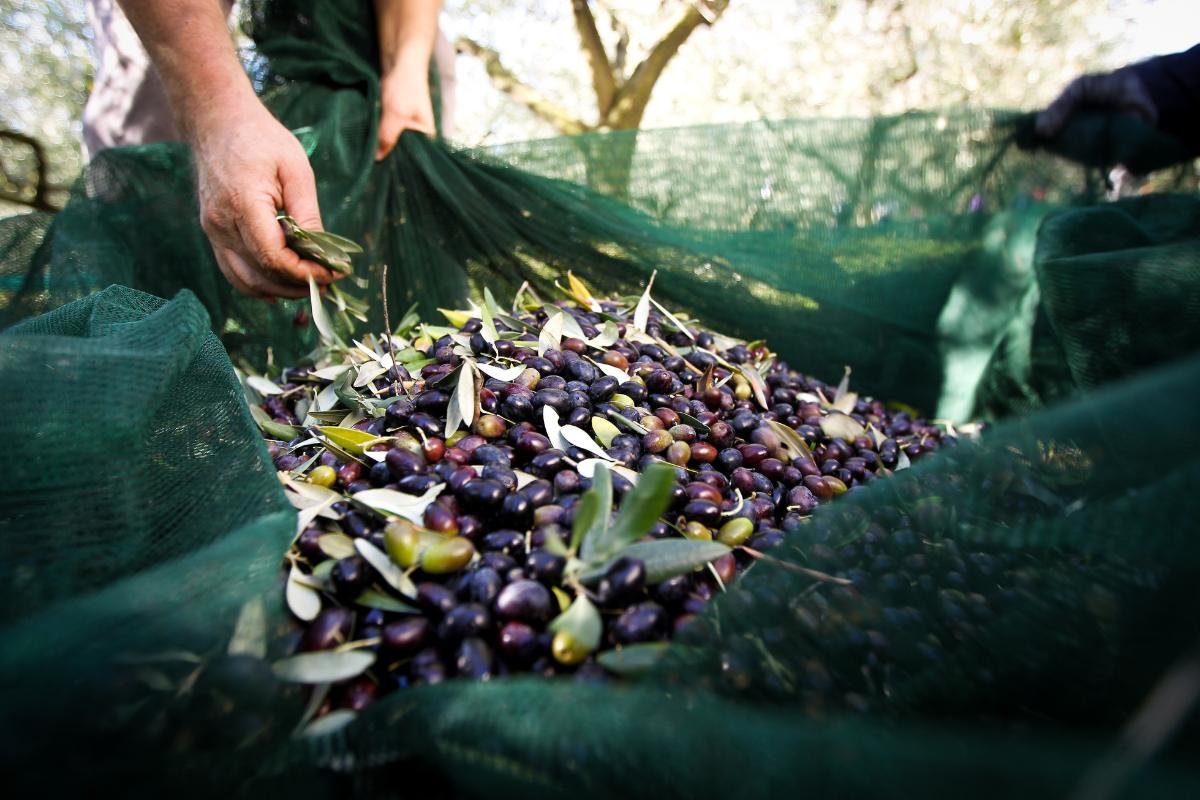
What Makes Greek Olive Oil Unique?
Three factors make Greek olive oil stand out:
- Geography & Climate: Greece’s sunny climate, rocky soil, and dry summers are perfect for olive cultivation.
- Native Varieties: Especially the Koroneiki olive, which produces rich, peppery, aromatic oil with high antioxidant content.
- Cold Press Method: Traditional and modern methods both use cold extraction to preserve nutrients and flavor.
Over 80% of olive oil produced in Greece is extra virgin, the highest quality grade. Two standout regions highlight this excellence: Kalamata, famed for its PDO-protected, fruity oil, and Crete, the country’s top producer, known for its polyphenol-rich olive oil that supports health and longevity. In Ikaria, a recognized Blue Zone, researchers found that consuming just six tablespoons of olive oil daily can reduce mortality risk by more than 50%.

Health Benefits Backed by Science
Olive oil is a central pillar of the Mediterranean Diet, one of the world’s most studied and recommended ways of eating. Key benefits:
- Heart Health: Rich in monounsaturated fats, olive oil helps reduce LDL (“bad”) cholesterol. According to the Mayo Clinic, diets high in olive oil, like the Mediterranean diet, are linked to significantly lower rates of heart disease.
- Anti-Inflammatory: Contains oleocanthal, a compound with effects similar to ibuprofen
- Antioxidants: Especially high in polyphenols, which combat oxidative stress.
- Brain Health & Aging: Linked to lower risk of Alzheimer’s and cognitive decline.
Scientific studies from institutions like Harvard also support these claims.

How to Choose a Quality Greek Olive Oil
Look for:
- Labels that say “Cold-Pressed”, “Extra Virgin”, and “Product of Greece”
- Dark glass bottles to protect from light
- Harvest dates (fresher is better)
- PDO (Protected Designation of Origin) stamps
Tip: Always store your olive oil away from heat and light.
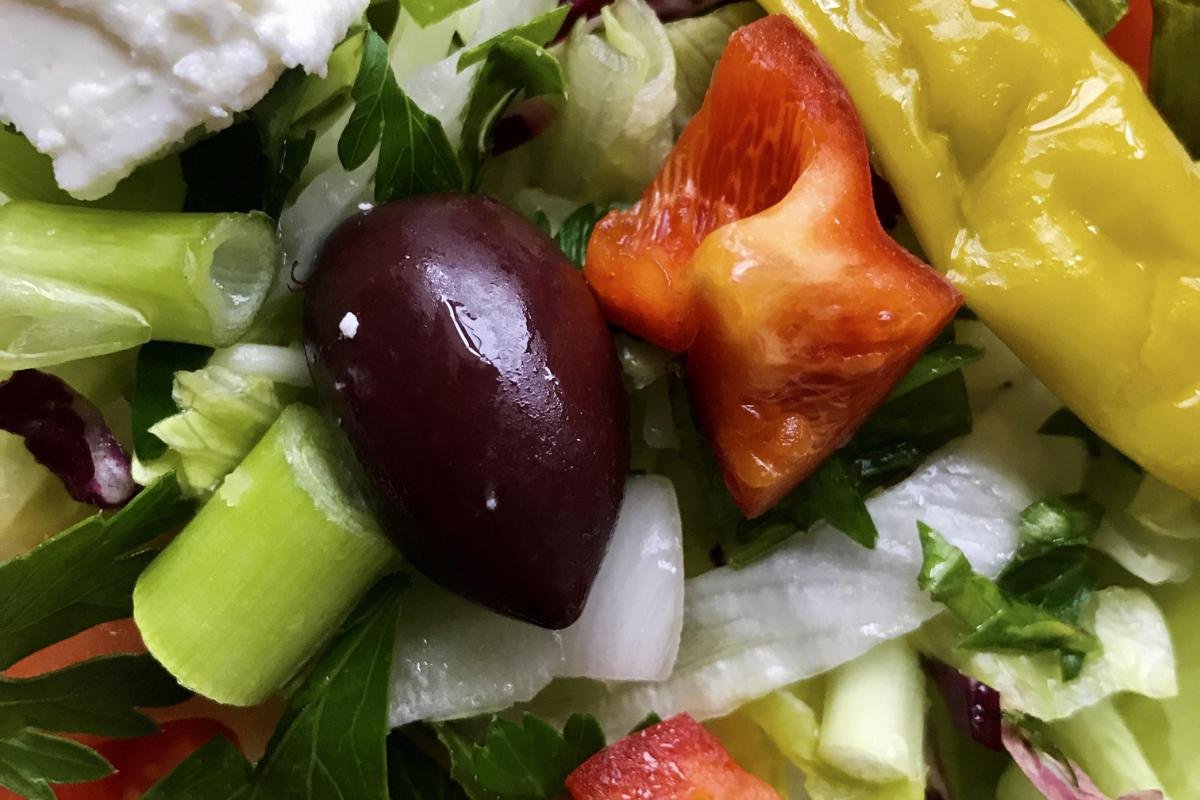
How to Use Greek Olive Oil Like a Local
- Use raw olive oil for drizzling and dressing
- For cooking, medium heat preserves its flavor and health benefits
- Add to soups, pasta, or roasted vegetables
Fun tip: Greeks often sprinkle oregano or lemon juice over olive oil for dipping.

Olive Oil Tourism in Greece
Want to dive deeper? Visit:
- Olive groves in Peloponnese or Crete
- Traditional mills in Lesvos or Kalamata
- Participate in harvest tours and tastings
This agritourism trend is growing and connects you directly with the producers.
Final Thoughts
Greek olive oil is a connection to culture, longevity, and simplicity. Whether drizzled over a summer salad or used in a homemade soap, it’s part of a mindful Mediterranean lifestyle worth embracing.
FAQs about Greek olive oil
Can olive oil go bad?
Yes, olive oil can go rancid. It typically lasts 18–24 months after bottling if stored properly in a cool, dark place.
What are the skincare benefits of Greek olive oil?
Rich in vitamin E and antioxidants, it moisturizes skin, helps repair sun damage, and has anti-aging properties when applied topically.
Can I cook with Greek olive oil?
Absolutely. Greek olive oil is ideal for medium-heat cooking and adds flavor to soups, vegetables, and pasta dishes.
Is Greek olive oil keto or vegan-friendly?
Yes, it’s 100% plant-based, making it ideal for both vegan and ketogenic diets due to its healthy fat profile and zero carbs.
Explore more

Greek Honey: Nature’s Sweetest Legacy of the Mediterranean
Find out more