


Greek honey is the wild, sun-drenched essence of the Mediterranean, captured in a single drop.
With every spoonful, you connect to wild herbs, mountain air, island sunlight, and a way of life rooted in harmony with nature. Revered since ancient times and cherished across generations, greek honey stands out as one of the most pure, complex, and wellness-rich foods on earth.
In this guide, we explore why Greek honey deserves a place in your kitchen, and your wellness ritual
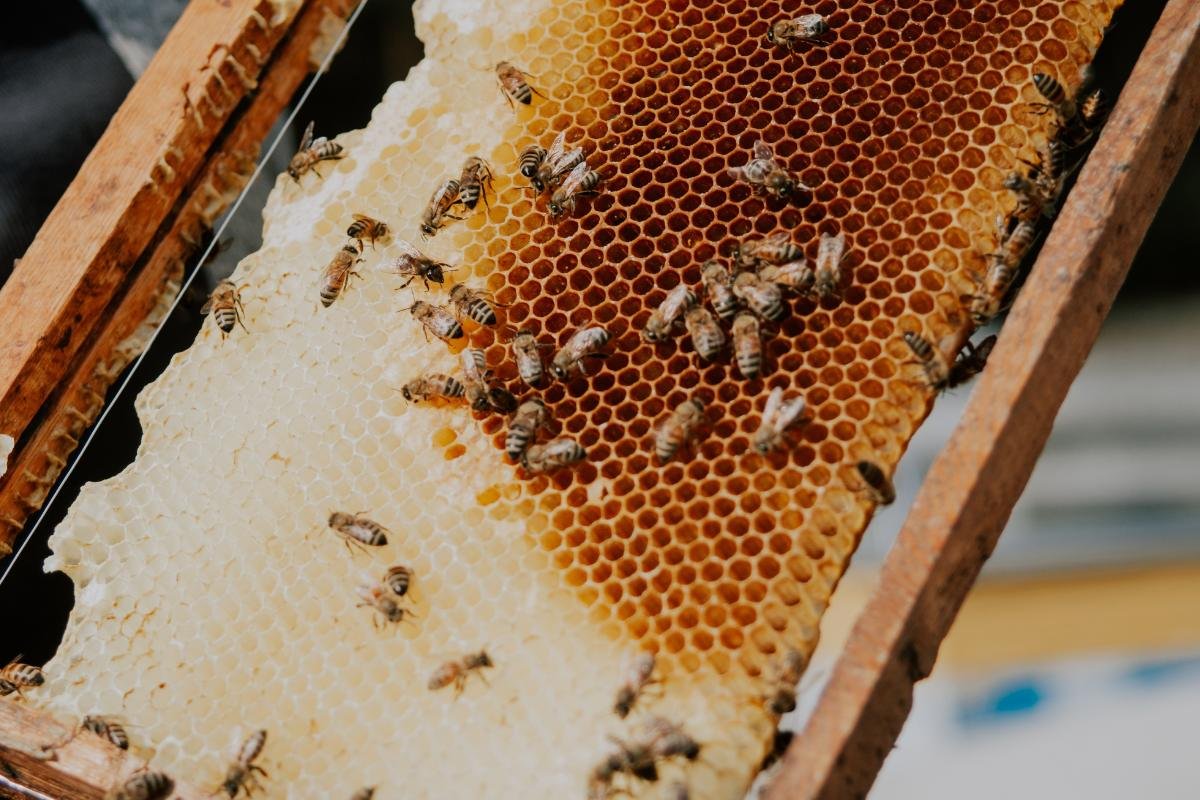
A Story That Begins with the Bees
The story of Greek honey starts thousands of years ago. Minoans practiced organized beekeeping as early as 1500 BC, while Hippocrates, the “father of medicine”, recommended honey for everything from wound healing to digestive care.
Even in Greek mythology, honey symbolized divine nourishment. The gods were said to enjoy “ambrosia,” a blend of honey and herbs. And the nymph Melissa, whose name means “bee”, was a sacred caregiver to Zeus.
Today, that same deep reverence for bees and nature remains at the heart of Greek honey production. ↓
What Makes Greek Olive Oil Unique?
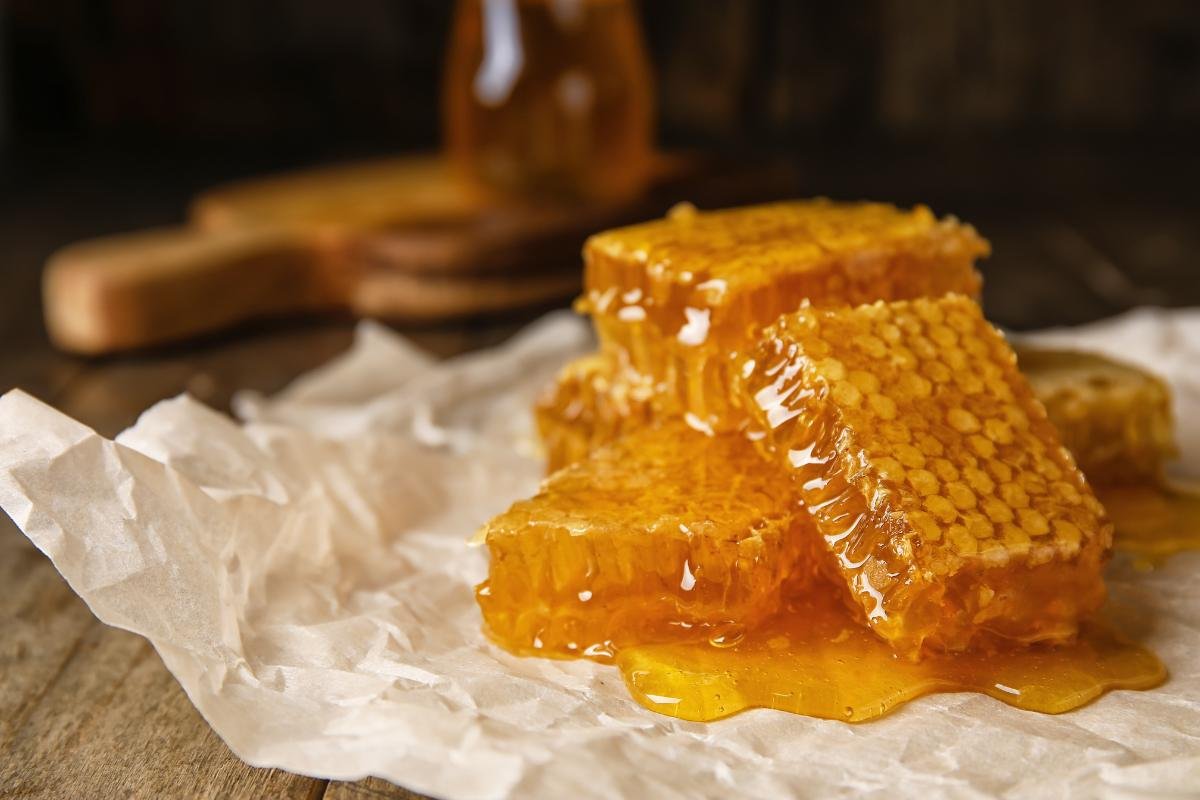
Unlike mass-produced honeys, Greek honey is a living product, shaped by geography, wild botanicals, and age-old techniques.
- Wild Forage Diversity: Bees in Greece feed on native herbs like thyme, oregano, heather, and fir, resulting in rich, aromatic honeys with depth and complexity.
- Minimal Processing: Traditional producers avoid pasteurization and filtration, preserving the enzymes, antioxidants, and natural pollen inside.
- Regional Character:
- Thyme Honey: Light, floral, and antibacterial. Especially prized on Crete and the Cyclades.
- Pine Honey: Dense, less sweet, and rich in minerals. Common in Evia and the Peloponnese.
- Heather or Chestnut Honey: Bold, slightly bitter, and deeply nourishing, ideal for winter wellness.
Naturally, real Greek honey may crystallize over time, a sign of purity, not spoilage. Its smoky, herbal, or floral aroma reflects the wild botanicals where bees forage, helping you distinguish authenticity by scent alone.

The Health Science Behind Greek Honey
Greek honey is more than a natural sweetener, it is also a functional food.
Clinically Studied Benefits:
- Immune Boosting: Natural antibacterial agents support respiratory health. Mayo Clinic notes honey may soothe sore throats and reduce coughing.
- Gut Health: Its prebiotic properties help maintain healthy gut flora.
- Energy & Endurance: A natural fuel source, especially helpful pre- or post-workout.
- Skin Repair: Applied topically, raw honey helps heal wounds and soothe inflammation.
- Rich in Antioxidants: Packed with polyphenols and flavonoids. A 2025 study in the International Journal of Molecular Sciences found Greek honey boosts antioxidant defenses in immune cells.
Additionally, a 2023 review in Molecular Medicine Reports found that honey from Taygetos and Pindos offers stronger antioxidant activity than many global varieties, thanks to Greece’s unique flora.

Ways to Use Greek Honey
Honey is endlessly versatile in a Mediterranean kitchen and beyond:
- In Teas & Tisanes: Stir a spoonful into Greek mountain tea, chamomile, or sage for a natural throat soother.
- Yogurt Bowls & Cheese Pairings: Top full-fat yogurt or aged cheeses with honey and walnuts for a classic meze.
- Glazes & Dressings: Blend with mustard, balsamic, or lemon for a sweet-savory twist.
- Skin & Lip Care: Mix with olive oil or yogurt as a DIY face mask or lip balm.
Home Remedies: A spoonful with warm water and lemon is a traditional remedy for coughs and colds.

A Sweet Form of Travel: Honey Tourism in Greece
Did you know that beekeeping is becoming a travel experience? Visitors can:
- Tour family-run apiaries in Crete, Evia, or northern Greece.
- Harvest honey alongside local beekeepers.
- Learn how bees interact with native herbs and flowers.
These immersive tours offer a deeper connection to Mediterranean experiences and its food heritage.
Final Thoughts: A Taste of Greek Nature in Every Drop
To enjoy Greek honey is to experience nature in its purest form. You might drizzle it over warm bread, stir it into a soothing herbal drink, or share a jar with someone you care about. In every case, it is an invitation to slow down, connect more meaningfully, and embrace the beauty of life through the Mediterranean way of living.
FAQs about Greek honey
What makes Greek honey different from regular honey?
Greek honey is unpasteurized, rich in antioxidants, and sourced from native herbs like thyme and pine, giving it superior flavor and therapeutic benefits
Is Greek honey good for gut health?
Yes. Its prebiotic properties support healthy gut flora and digestion.
Can Greek honey help with seasonal allergies?
Local Greek honey may help reduce sensitivity to pollen over time, although results vary by individual.
How should Greek honey be stored?
Store in a cool, dark place. Natural crystallization is a sign of purity and quality.
Is Greek honey safe for babies?
No. Like all honey, it should not be given to babies under 12 months due to the risk of botulism, as per Mayo Clinic studies. Always consult your pediatrician before introducing honey or any new foods to your baby’s diet
Is honey better than sugar for health?
Yes, honey contains trace enzymes, antioxidants, and nutrients that refined sugar lacks. It also has a lower glycemic index, meaning it causes a slower rise in blood sugar. However, it is still high in calories and should be consumed in moderation.
Does honey expire or go bad?
Pure raw honey does not expire. Thanks to its natural acidity, low moisture, and antimicrobial properties, honey can last too long if stored properly in a cool, dry place.
Explore more
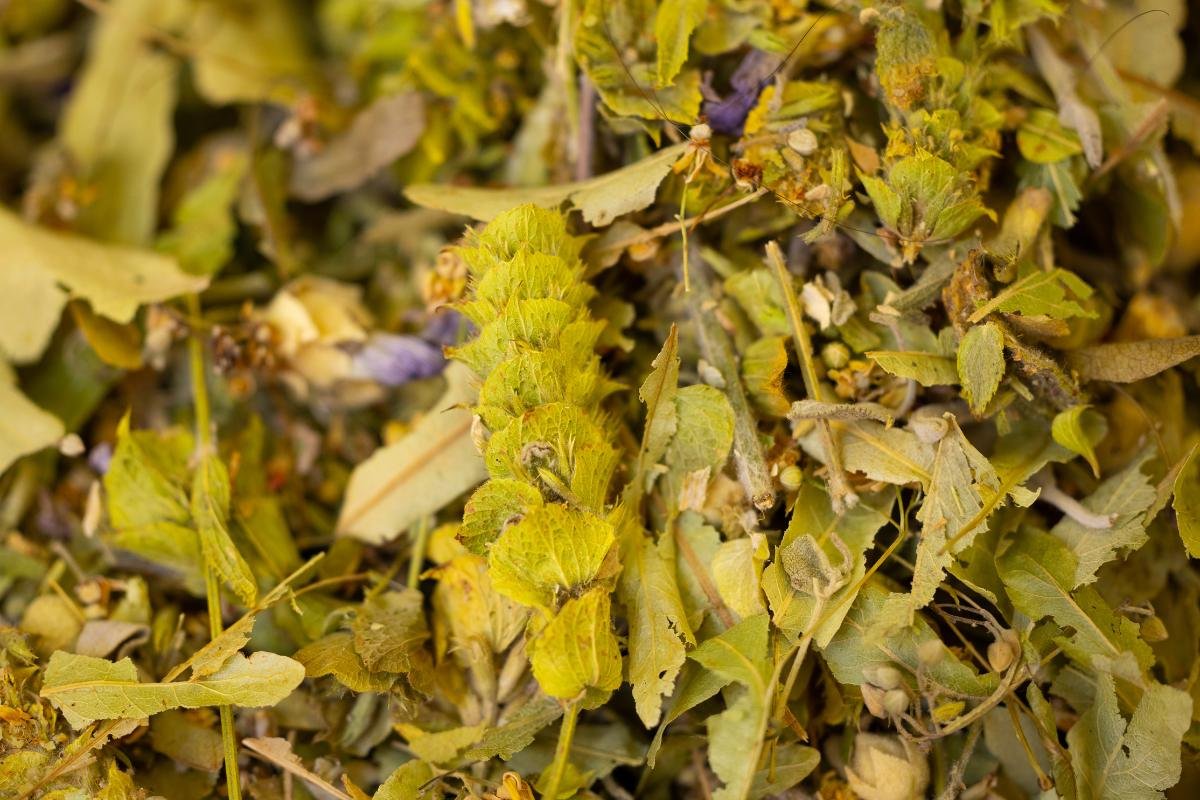
Greek Mountain Tea: A Cup of Healing from the Mountains
Find out more