
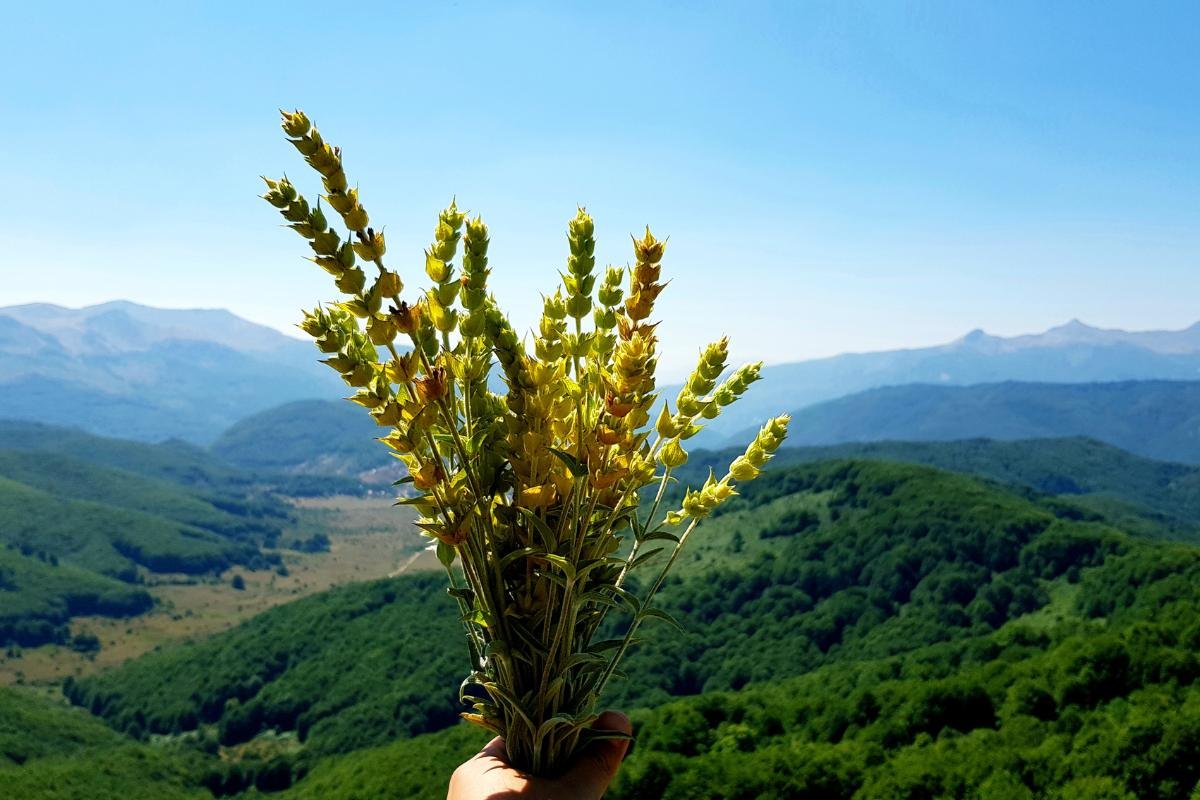
Greek mountain tea, also called Tsai tou Vounou, carries with it centuries of tradition, and natural wellness.
Every cup offers soothing herbal aroma, and a connection to the clean air and wild landscapes of Greece. Revered by shepherds and generations of families, it stands out as one of the most calming and beneficial infusions you can add to your daily life.
In this guide, you will learn what makes Greek mountain tea so special, how it can support your health and mood, and how to enjoy it in a way that fits your life.
A Tradition That Grows Wild
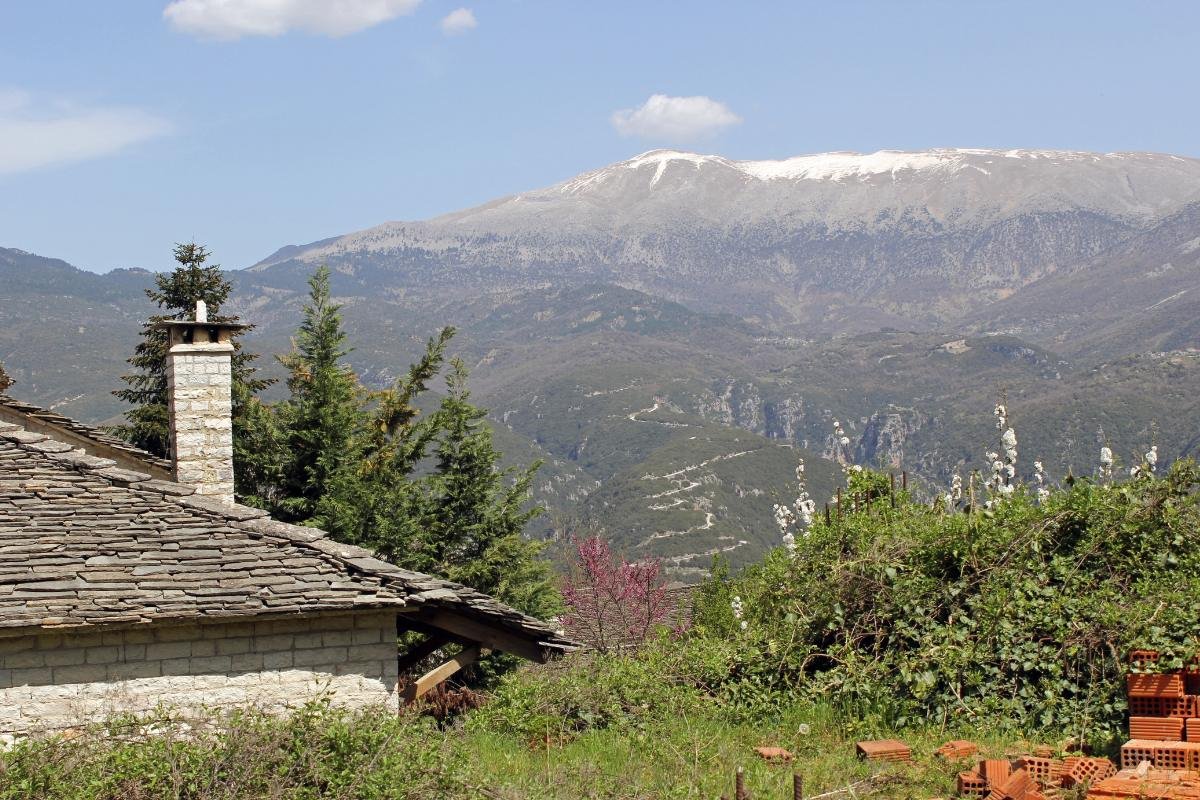
Mountain tea comes from high-altitude herbs in the Sideritis family. These plants grow on rocky slopes in Greece, often over 1,000 meters above sea level, especially in regions like Taygetos (Peloponnese), Pindos, and the Rodopi mountains. These areas are known for their rugged terrain, cool nights, and rich soil that give the herbs unique aromatic and medicinal properties.
For centuries, shepherds in these mountains brewed it by hearths, collecting wild plants during summer months. Hippocrates praised it for its healing effects on the body and mind. In modern Greece, families in Epirus, Crete, and islands such as Thassos still pick wild mountain tea, dry it by hand, and steep it fresh for both comfort and remedy. ↓
What Mountain Tea Offers You
This herbal infusion supports your body and mind in gentle, effective ways
- Immune Support: Rich in natural antioxidants and essential oils, mountain tea may help the body stay balanced and resilient. Studies on Sideritis scardica confirm strong antioxidant activity due to its rich polyphenol and flavonoid content, which supports cellular defense mechanisms.
- Digestive Comfort: Shepherds in the Rodopi and Peloponnese regions have long used tea made from Sideritis scardica to ease stomach discomfort and promote gentle digestion. Scientific reviews, like the PubMed Review in 2020, highlight the beneficial effects on gastrointestinal system.
- Relaxation and Mental Clarity: Because it is naturally caffeine‑free, this tea helps calm the senses without sedation. Many drink it in the evening in Crete or northern Greece to relieve stress after a day of mountain walking or farm work. A clinical trial with older adults showed that Sideritis scardica significantly reduced anxiety and enhanced attentional performance after 28 days of use.
- Antioxidant Protection: Herbs from high rain‑shadow zones or limestone soils tend to contain higher levels of flavonoids and phenolic compounds. Tea from locations like Pindos and Taygetos has demonstrated high antioxidant scores in lab-based chemical profiling.

How to Choose the Right Mountain Tea
To get the most from your tea, choose with care:
- Wild vs Cultivated & Altitude: Tea wild‑harvested in high altitude regions like Taygetos or Pindos often has stronger aroma and richer essential oil content.
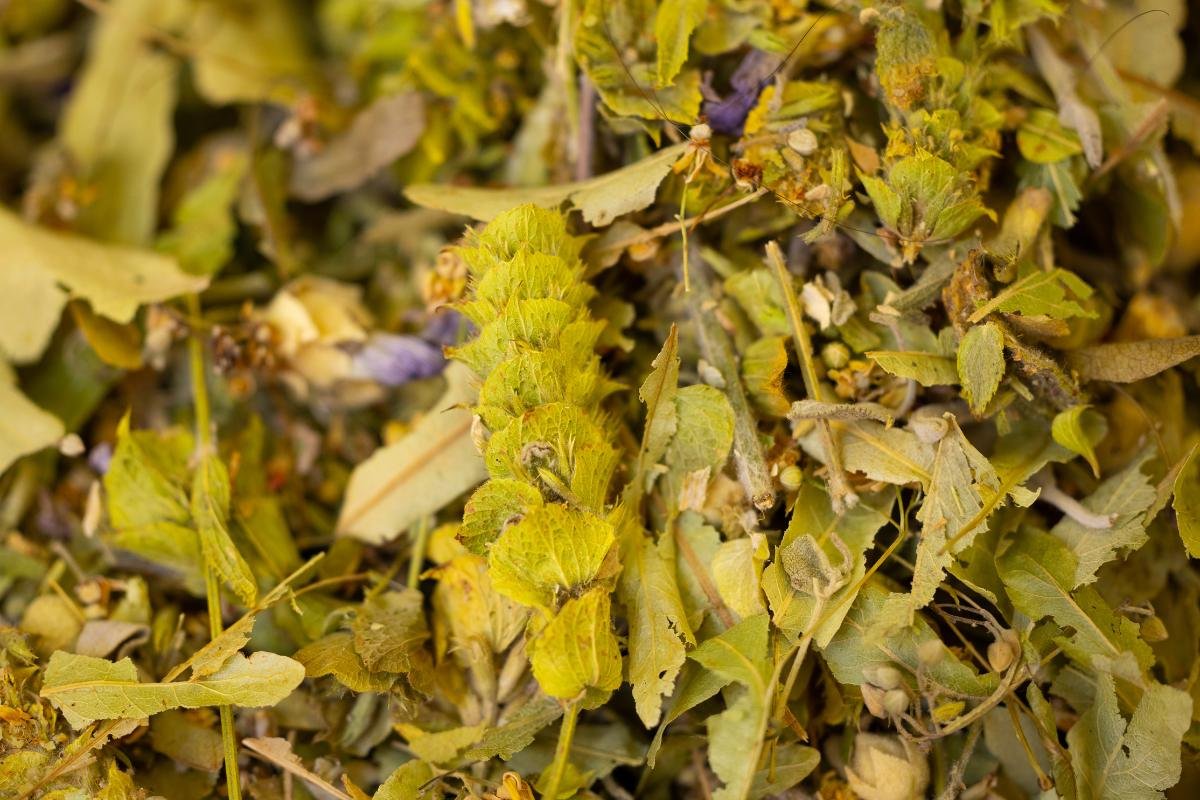
- Choose Whole Plant Blends: Teas that include flowers, stems, and leaves provide stronger effects and better flavor.
- Avoid Overly Processed Products: Drying and minimal handling keep the full aroma and health value intact.
- Use Your Senses: A true mountain tea from Peloponnese or Crete may smell grassy, floral, or with light herbal smoke, depending on the variety and drying method.
Store dried mountain tea in an airtight container, away from light and moisture. Its aroma and color may fade slightly over time, but when properly stored, it keeps its potency for many months.
Ways to Enjoy Greek Mountain Tea Every Day
Here are richer traditions and modern ideas:
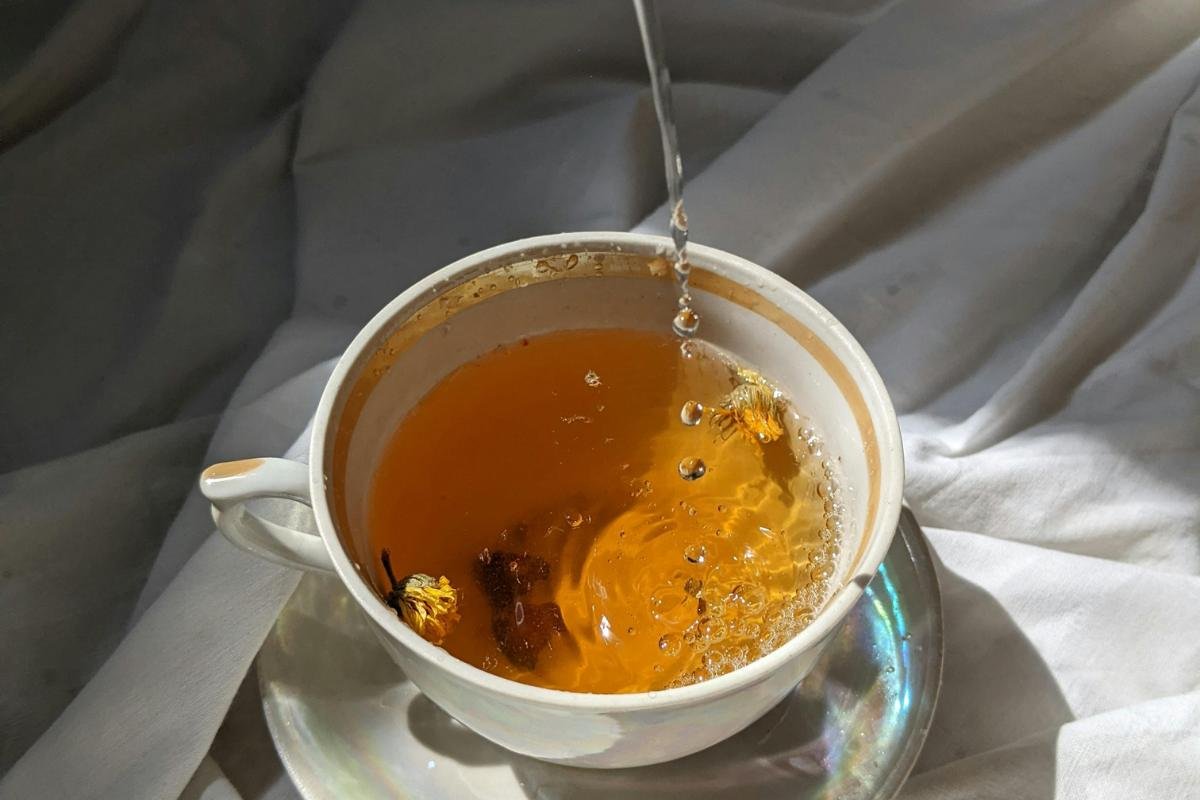
- Traditional Afternoon Brew: In Epirus, it is common to brew mountain tea with water just off the boil, steep 7‑8 minutes, and drink it in ceramic cups with a touch of Greek honey.
- Herbal Blends with Local Touch: Some people blend mountain tea with wild thyme, lemon balm, or dried orange peel (especially in Crete) for flavor and added wellness.
- Seasonal Use: Many Greeks drink it in late summer and early autumn when wild herbs are at peak, using it for cooling and soothing after heat.
Wellness Rituals: In mountainous villages, tea is part of slow morning rituals, brewed over wood fires, served to guests, and shared with conversation.
Final Thoughts: A Simple Ritual That Nurtures You
Greek mountain tea offers something meaningful with every cup. It gives you a reason to nourish your body without noise or rush. Drink it daily, seasonally, or simply when you feel the need to reconnect with calm, as it invites you to slow down and care for yourself naturally.
FAQs about Greek TEA
What is the shelf life of Greek mountain tea?
Many people blend it with herbs like lemon balm, peppermint, or chamomile to enhance flavor and additional benefits. Start with small amounts to see how your body reacts, especially if you are combining plants with potential effects.
Can I blend Greek mountain tea with other herbs safely?
Yes. Its prebiotic properties support healthy gut flora and digestion.
How does quality vary between brands of mountain tea?
Quality differences include: 1. altitude and soil where it was grown. 2. how soon after harvest it was dried. 3. whether it is truly wild vs cultivated. 4. packaging (airtight, UV‑protected) and 5. whether it’s single‑region or blended from different locations.
Can Greek mountain tea help with respiratory health or colds?
Yes, traditional use suggests it can soothe throat irritation and support respiratory comfort. Warm infusion with steam may help relieve mild cold symptoms. For serious illness, always consult a healthcare professional.
Is Greek mountain tea safe for people with allergies?
Greek mountain tea is generally well-tolerated, but like all herbal products, it may cause reactions in individuals with sensitivities to plants or pollen. If you have known allergies or respiratory conditions, it is important to consult with your allergist or healthcare provider before trying it.
Where in Greece is mountain tea considered the highest quality?
Regions like Taygetos in the Peloponnese, Pindos mountains in Epirus, and the Rodopi range are particularly prized. Their altitude, soil type, and microclimates produce herbs with more fragrance and higher bioactive compound levels.
Explore more

Greek Honey: Nature’s Sweetest Legacy of the Mediterranean
Find out more